 Reading The Kite Runner by Khaled Hosseini was a moving novel. To be honest with you, when I first heard that we were reading this novel I had little hope for the book, but my views have changed. After reading this novel, I realized that it was a brilliantly written novel that could appeal to everyday life. The story line deals with events that people our age go through every day. The Kite Runner was a story of friendship, betrayal, relationships, and guilt. Certain aspects of the novel, like friendship for example, really appeal to my senses. Everyone has those friends that they know will be with them through think and thin, just like Amir and Hassan. Just as when Hassan states "For you a thousand times over" (Hosseini, 371) he is basically saying that they will be there for each other until the end of time, we all have that one friend that will always be there for us. Along with the idea of friendship, relationships appeal to our everyday lives. Relationships surround us on all sides. Just as Baba and Amir have to find ways to strengthen their relationships, we need to find ways to strengthen the relationship the surround us. The Kite Runner turned out to be an amazing novel with an remarkable story line that appeals to the everyday life of our generation.
Thursday, July 11, 2013
Final Thoughts
Reading The Kite Runner by Khaled Hosseini was a moving novel. To be honest with you, when I first heard that we were reading this novel I had little hope for the book, but my views have changed. After reading this novel, I realized that it was a brilliantly written novel that could appeal to everyday life. The story line deals with events that people our age go through every day. The Kite Runner was a story of friendship, betrayal, relationships, and guilt. Certain aspects of the novel, like friendship for example, really appeal to my senses. Everyone has those friends that they know will be with them through think and thin, just like Amir and Hassan. Just as when Hassan states "For you a thousand times over" (Hosseini, 371) he is basically saying that they will be there for each other until the end of time, we all have that one friend that will always be there for us. Along with the idea of friendship, relationships appeal to our everyday lives. Relationships surround us on all sides. Just as Baba and Amir have to find ways to strengthen their relationships, we need to find ways to strengthen the relationship the surround us. The Kite Runner turned out to be an amazing novel with an remarkable story line that appeals to the everyday life of our generation.

Baba the Black Bear
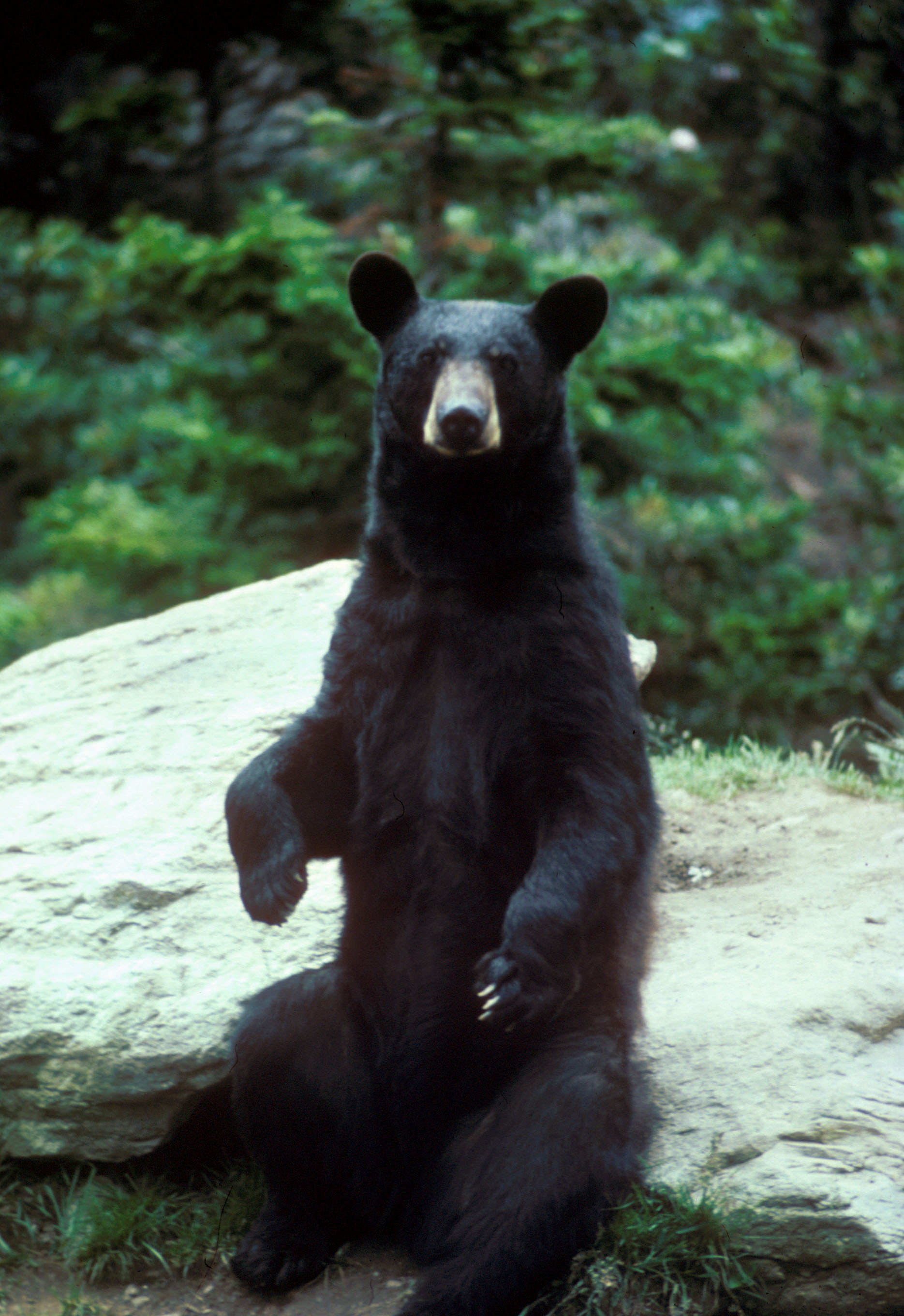 In The Kite Runner by Khaled Hosseini, Baba is compared to a black bear. "I have imagined Baba's wrestling match countless times, even dreamed about it. And in those dreams I can never tell Baba from a black bear" (Hosseini, 12). Amir talks about how Baba had three parallel scars down his back from bear claws. As I was reading the novel, I came across different lines that made me think that Baba could easily be compared to a black bear. for example, in chapter 3, a description is made talking about how Baba had unruly brown hair and a dark curly beard. The appearance could easily compare to a black bear. Not only does Baba have the physical appearance of a black bear, but many of his characteristics are similar as well. As we looked farther into the novel, two more characteristics of Baba appeared to be very similar to the ones of a black bear. The first part is where Baba and Amir have a real father son relationship. Baba would be the strong father that would protect his child, just as a bear would protect its cub. Another characteristic of a bear that Baba carries is his obnoxious snoring. According to Amir, Baba's snoring could easily be compared to the growling of a bear when he is first waken up from his slumber. During many parts of the novel, the comparison between Baba and the Black Bear are confirmed.
Adoption
 When reading The Kite Runner by Khaled Hosseini, I thought a lot about the adoption scenes of the novel. After trying the conceive a child for quite some time, Amir and Soraya thought about different options in starting a family. When the idea of adoption was brought up, I was very surprised at the response. "This adoption... thing I don't think its for us Afghans" (Hosseini, 187). I thought that since they wanted a family so bad that they would have been open to the idea. As a read more into the novel, I came to the realization as to why they decided that it was not for them. I realized that it does not go along with the traditional way of Afghan life. I realized that Afghans live off of blood relationships and that adopting a child means that they are not blood related. I also believe that this is the reason that they decided to adopt Sohrab later in the novel. I do not agree with the fact that they would not adopt Sohrab just because he wasn't a blood relative. I believe that family is family no matter whether or not they are blood relatives. I am saddened by the fact that it took the fact that they were blood relatives in order for the child to be adopted.
Italics
"Go slowly, my lovely moon, go slowly" (Hosseini, 114).

Flashbacks
 Throughout the course of The Kite Runner, Khaled Hosseini relies heavily on the use of flashbacks. By using flashbacks throughout the course of the novel, Hosseini is able to maintains suspense. He is also able to show the theme of how past events in a persons life are prevalent in their current life. At the very beginning of the novel, Hosseini flashes back to Amir's childhood. "I became what I am today at the age of twelve, on a frigid overcast day in the winter of 1975. I remember the precise moment, crouching behind the crumbling mud wall, peeking into an alley near frozen creek. That was a long time ago..." (Hosseini, 1). Hosseini's use of flashbacks allows for the reader to have a glimpse into the past life of a particular person. Every flashback that takes place throughout the novel has a meaning. It gives a new characteristic to a character, or explains why things are the way they are in a particular person's life. For example, Hosseini's flashbacks continue to show us how Amir is afraid of his past. By always flashing back to the terrifying days of his childhood, it shows why he is the way that he is. If we did not know about his selfish past, we would not know how and why he became the selfless person that he is at the end of the novel. Flashbacks are literary keys into the past life of characters.
"For you a thousand times over"

Reoccurring insomnia
 Throughout the course of The Kite Runner by Khalen Hosseini, insomnia has been a reoccurring theme. The insomnia first begins in chapter 8 after Amir witnesses the rape of Hassan but says nothing. The insomnia is caused by guiltiness that eats away at Amir. Insomnia occurs once again following the event where Amir tries to get Hassan kicked out of the house. "I lay awake, an insomniac once more. Awake. And alone with demons of my own" (Hosseini, 358). Hosseini tells us about many of the demons that cause Amir's insomnia. Another one of the events in Amir's life that causes him to be an insomniac is the broken promises that have occurred in recent time. One of these empty promises involves Hassan's son Sohrab. The fact that he broke his promise to him created guilt inside, causing another case of insomnia. Insomnia can be related to everyone's life, not matter who you are. Everyone has some kind of guilt, just as Amir does throughout the course of his life. We all have times in our lives where we think back and ask ourselves "What could we have done differently?" and "If I had done this, what would have been different?" Just as think back on our lives and the choices we have made, Amir spends his nights as an insomniac reliving what should have happened, instead of what did happen.
Subscribe to:
Posts (Atom)